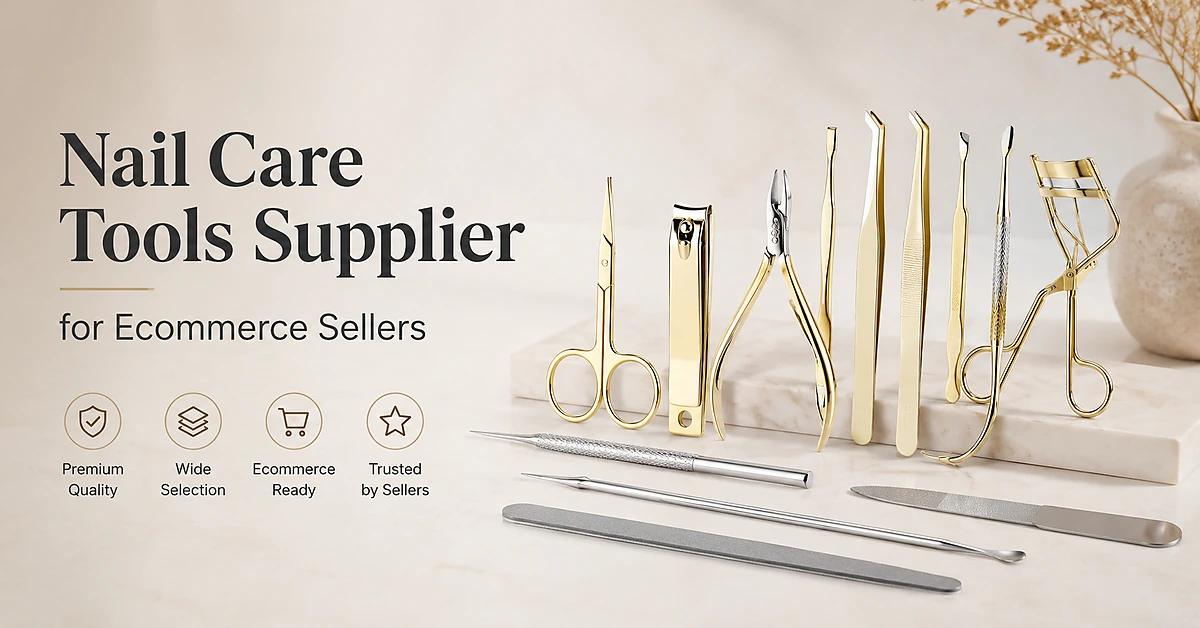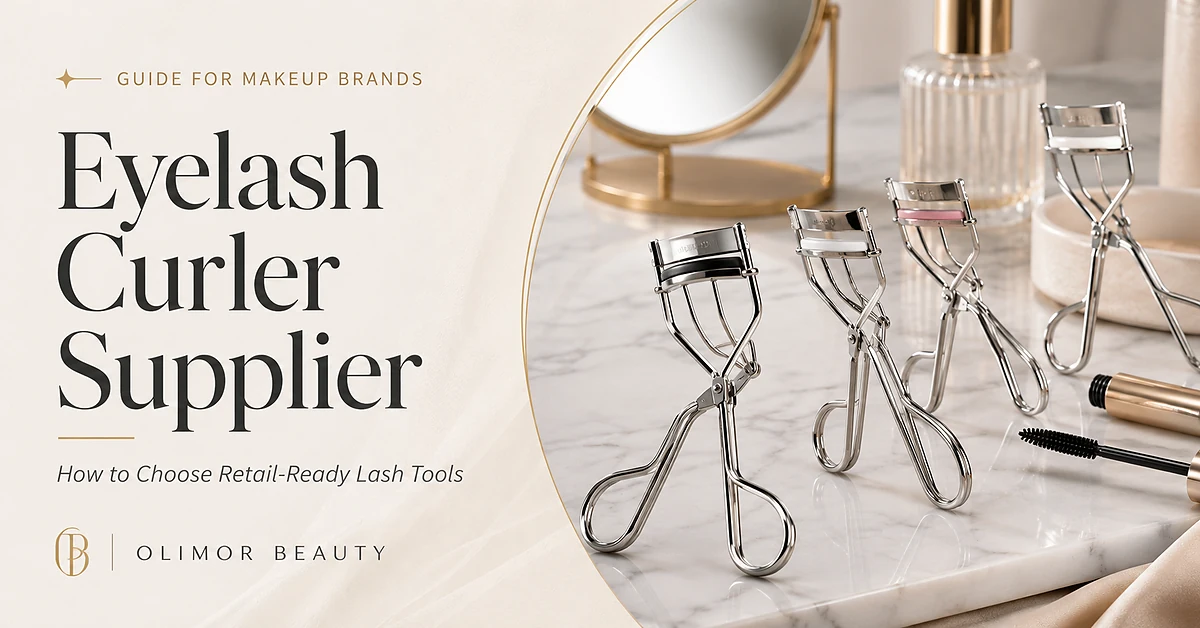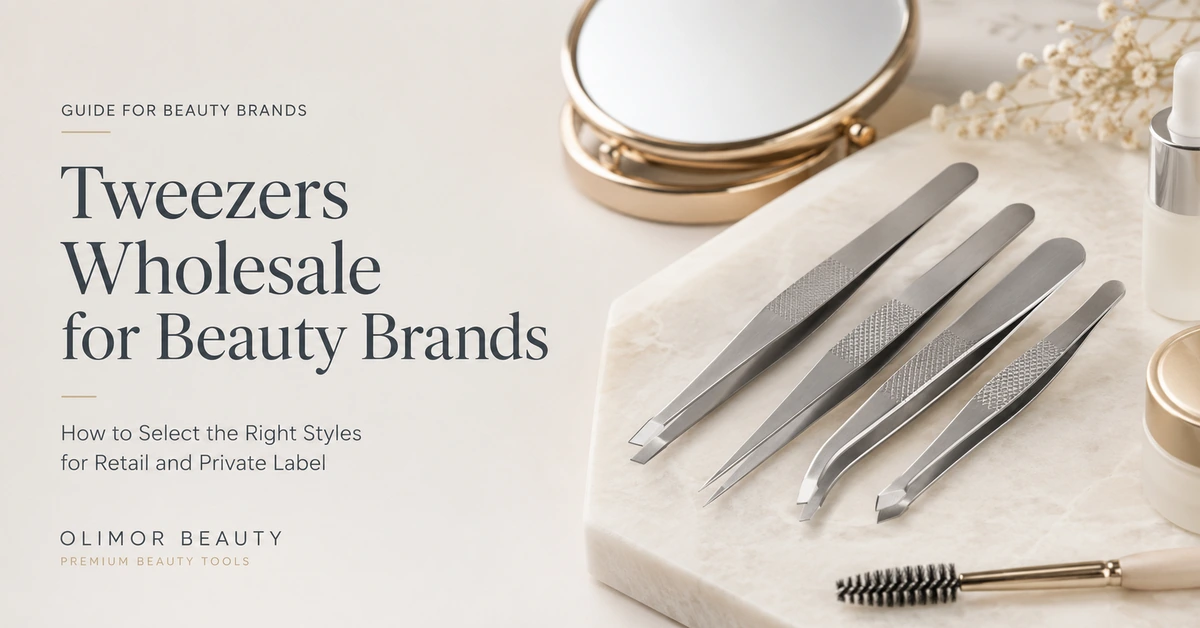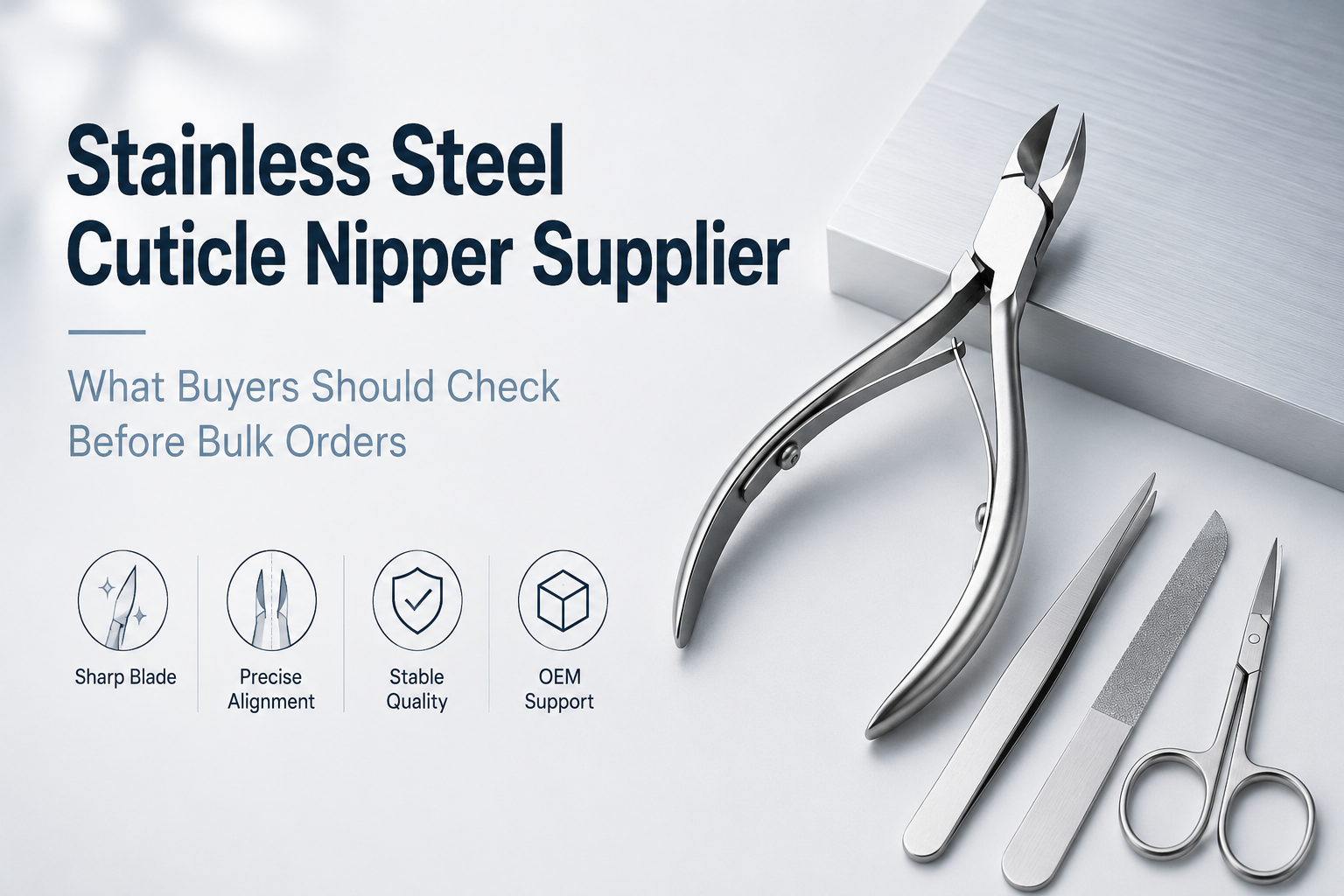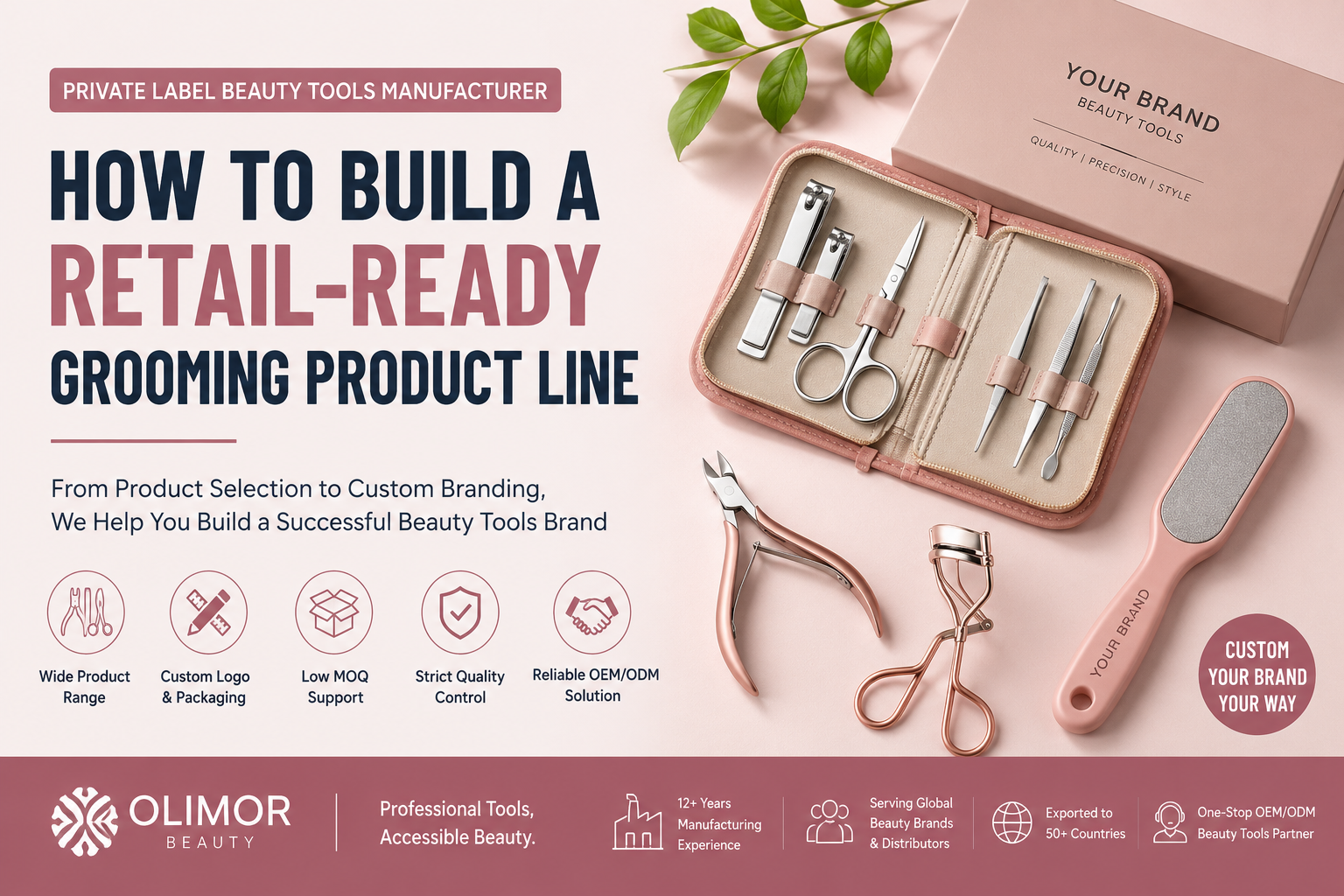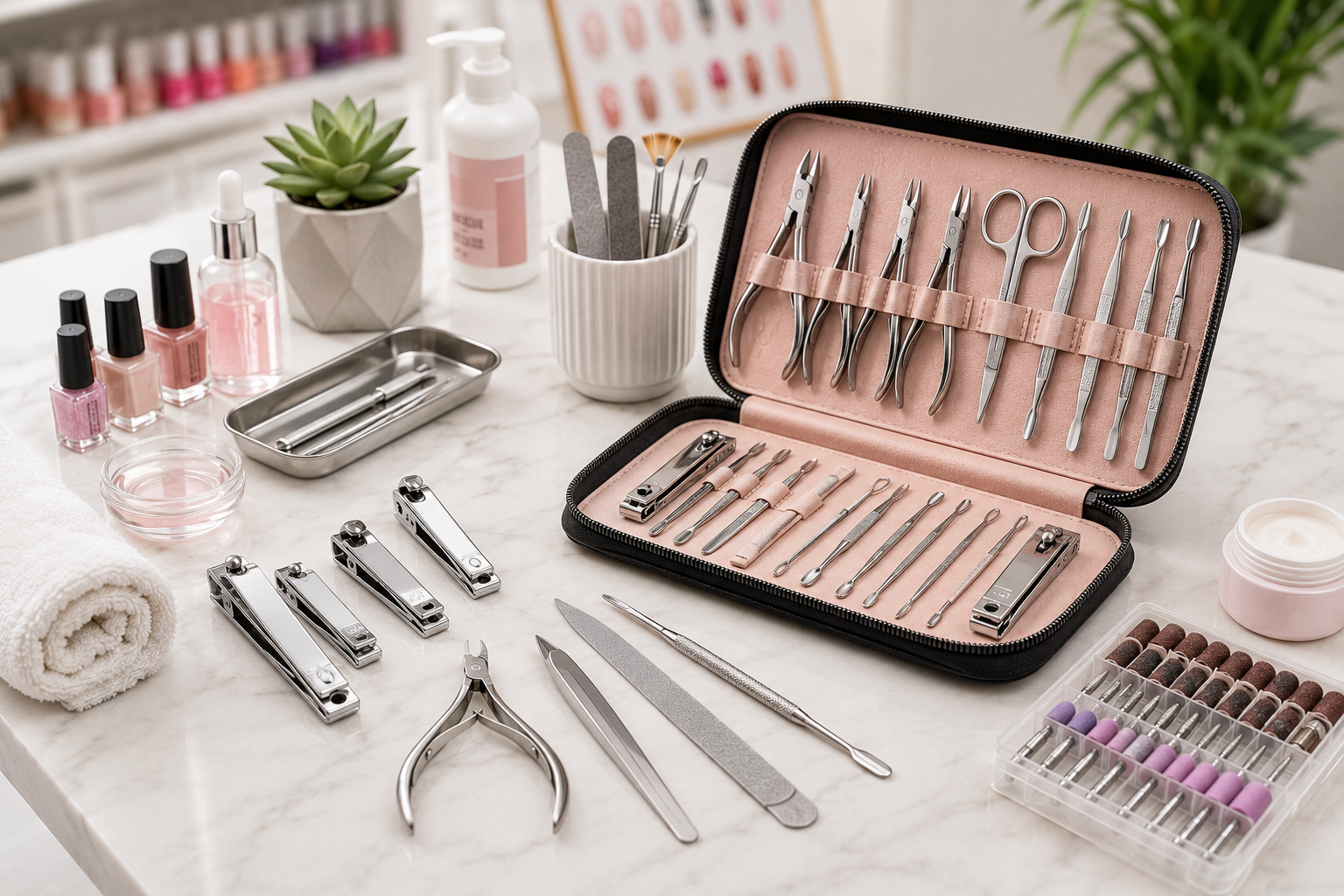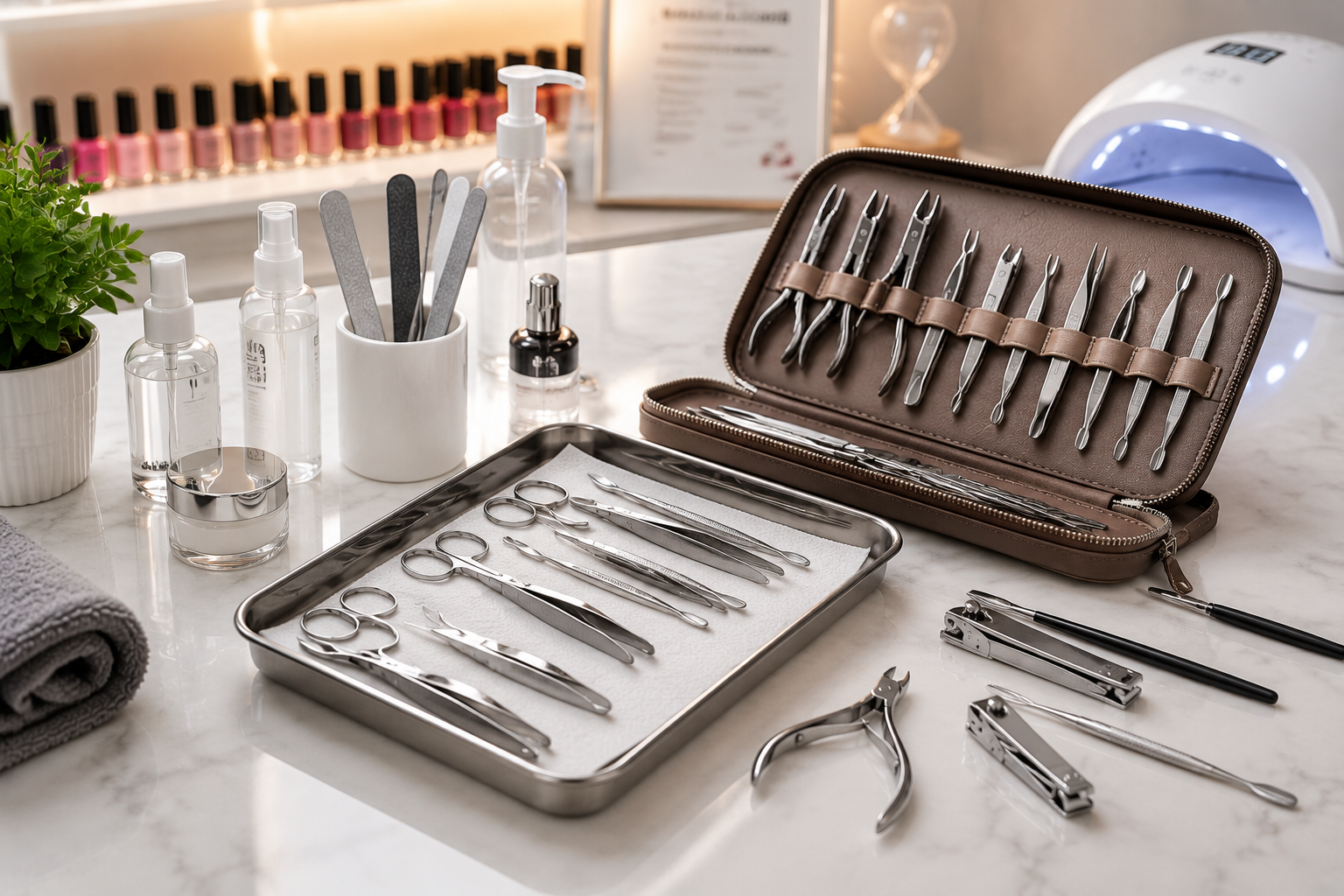












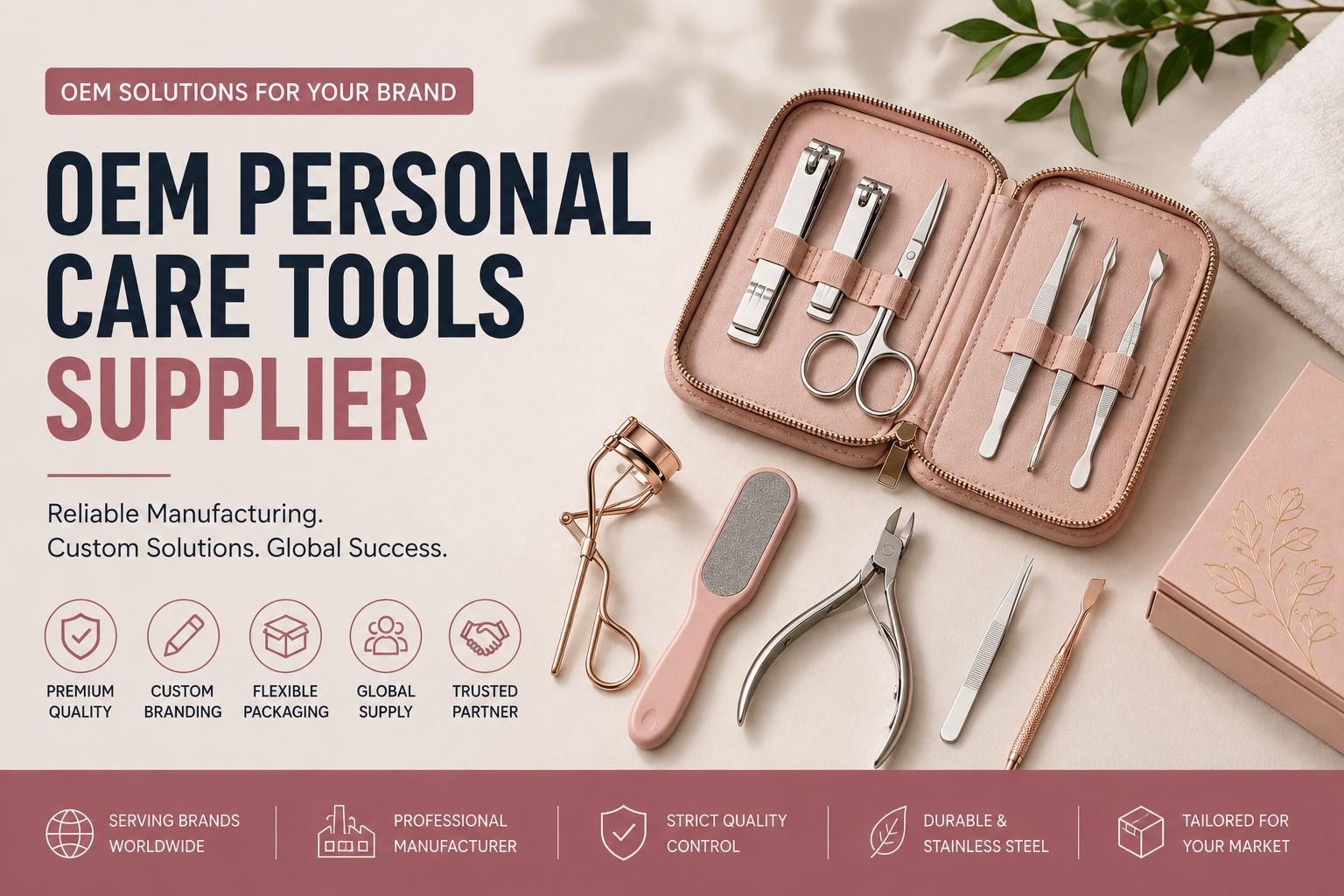
A successful personal care product line does not always need to begin with complicated electronics or high-risk cosmetic formulas. For many brands, the smarter starting point is a group of practical grooming tools that customers already use every week: nail clippers, tweezers, manicure sets, eyebrow razors, foot files, eyelash curlers, facial tools, and tongue scrapers.
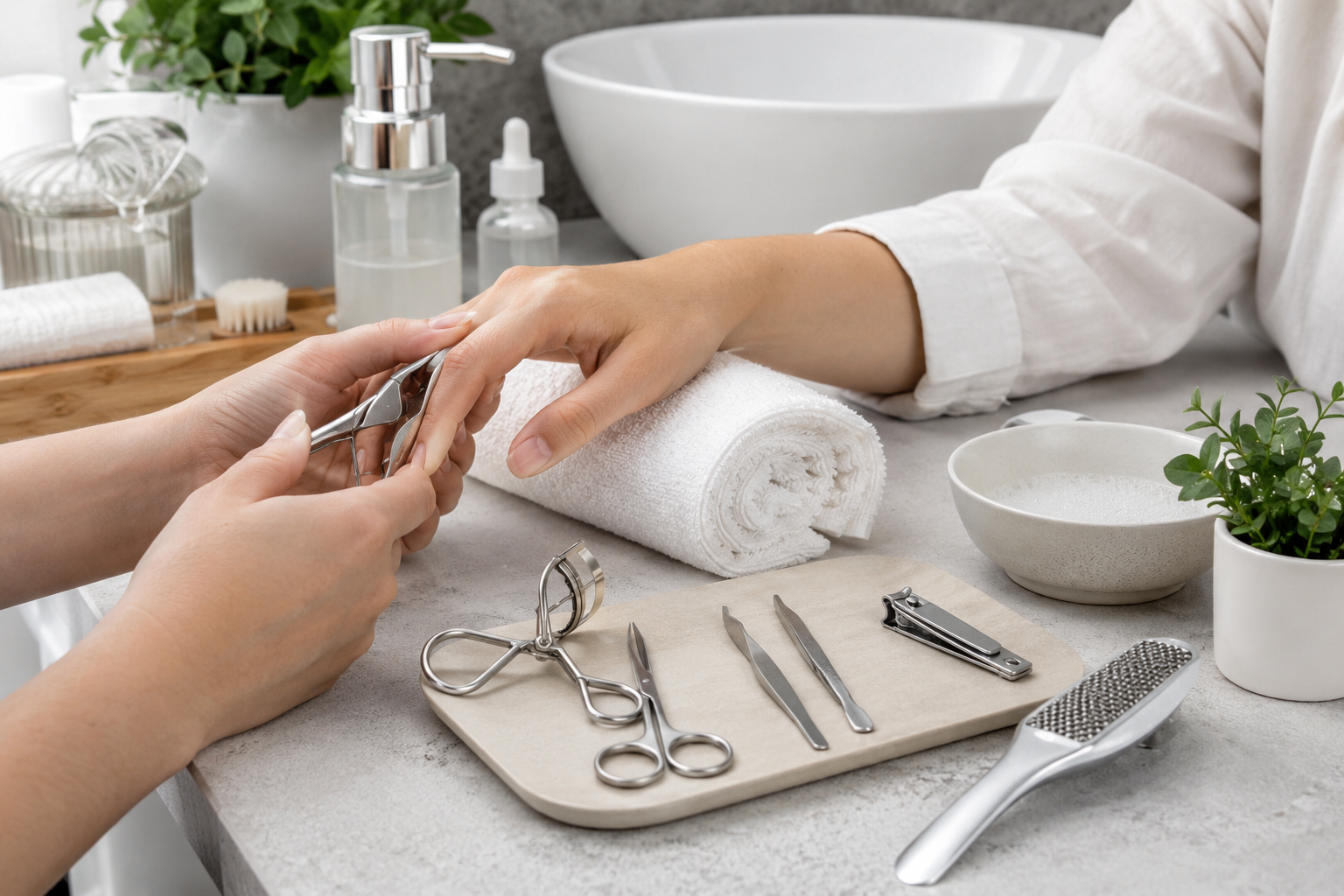
That is why choosing the right OEM personal care tools supplier is important. A good supplier does not only provide products. They help buyers choose the right tool categories, control quality, customize packaging, and build a product line that fits retail, salon, e-commerce, or distribution channels.
OLIMOR focuses on beauty and personal grooming tools for global B2B buyers. You can explore the current product range through the OLIMOR products page: https://www.olimor.com/products
Start with the Buyer’s Sales Channel
OEM personal care tools should not be selected only by appearance. The right product depends on where and how it will be sold.
A salon supplier may need durable manicure tools that can support repeated professional use. An e-commerce seller may prefer lightweight grooming kits that are easy to photograph, pack, and ship. A retail buyer may care more about shelf-ready packaging, barcode labels, and product display. A hotel amenity buyer may want compact tools with clean packaging and controlled cost.
Before confirming models, buyers should answer three questions:
- Who will use the product?
- Where will the product be sold?
- What price level should the product match?
These answers decide the material, finish, packaging style, tool combination, and order planning.
Product Categories Suitable for OEM Projects
An experienced personal care tools manufacturer should support multiple categories, because most OEM buyers need more than a single product. They often want a connected grooming line with a consistent brand look.
OLIMOR’s product categories cover manicure, pedicure, facial, brow, lash, and daily grooming tools. Common OEM product directions include:
| Product Category | Common OEM Use |
|---|---|
| Nail Clippers | Daily grooming, travel kits, retail single packs |
| Cuticle Nippers | Manicure sets, salon tools, nail care lines |
| Tweezers | Brow care, lash tools, facial grooming kits |
| Eyebrow Razors | Brow grooming kits, e-commerce multi-packs |
| Eyelash Curlers | Makeup tool lines, retail beauty accessories |
| Manicure Sets | Gift sets, salon kits, travel grooming kits |
| Foot Files | Pedicure care, spa products, foot care retail |
| Facial Tools | Blackhead care, skincare tool bundles |
| Tongue Scrapers | Oral hygiene kits, travel personal care sets |
For buyers who want to build a full grooming collection, combining several related tools is often better than launching random single products. For example, a “daily nail care kit” may include a nail clipper, nail file, cuticle pusher, and small scissor. A “brow grooming kit” may include tweezers, eyebrow razors, and small trimming scissors.
What OEM Customization Usually Includes
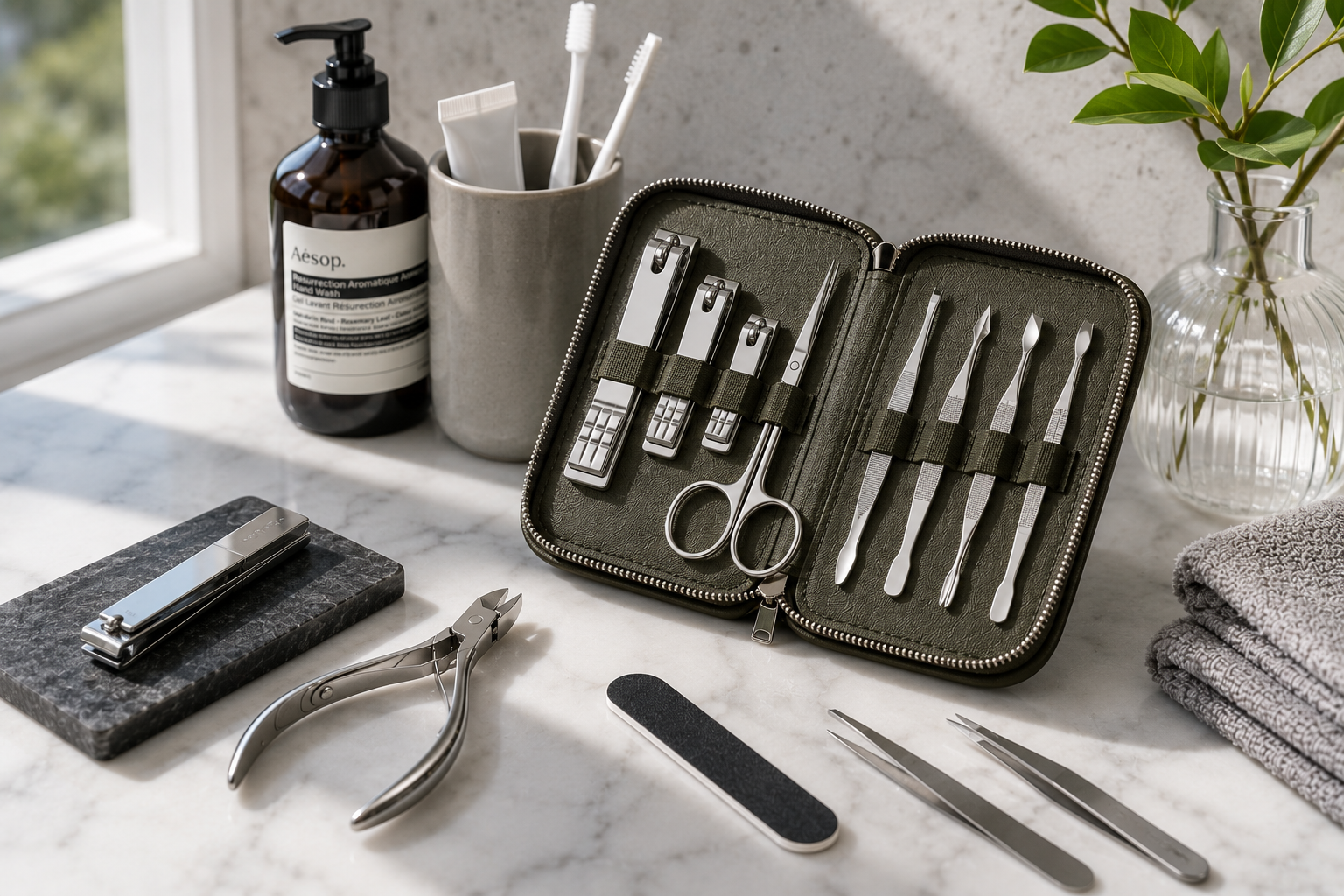
OEM does not always mean creating a completely new tool from zero. In many B2B projects, the most practical solution is to start from proven tool models and customize the branding, packaging, color, finish, or product combination.
Typical OEM options include:
- Logo engraving or printing
- Custom packaging box, pouch, or blister card
- Product color or finish adjustment
- Tool set combination
- Retail label or barcode support
- Instruction card or insert
- Gift packaging
- E-commerce-friendly packing
This approach helps buyers reduce development risk while still creating a product that fits their own brand. For example, a beauty brand can customize a rose-gold manicure set with a branded pouch. A distributor can choose stainless steel tools with neutral retail packaging. An online seller can create a compact grooming kit for travel or gift use.
Quality Details Buyers Should Check
Personal care tools are small products, but small defects can directly affect the customer experience. A nail clipper that feels loose, a tweezer that cannot grip fine hair, or a foot file with weak surface performance can quickly lead to complaints.
When evaluating an OEM personal care tools supplier, buyers should pay attention to these quality points:
Cutting performance
For nail clippers, scissors, and nippers, the cutting edge should feel smooth and stable. Poor blade alignment may cause uneven cutting or uncomfortable use.
Tip alignment
For tweezers and facial tools, the tip must close properly. This affects grip, precision, and user confidence.
Surface finishing
A clean polish, matte finish, or plated color can improve perceived value. Rough edges or uneven coating may make the product look low-end.
Handle comfort
Tools should feel balanced and easy to control. This is especially important for salon tools and repeated use.
Packaging protection
Metal tools can scratch during shipping if the packaging is not designed well. Inner trays, elastic holders, pouches, and protective layers help keep products clean and presentable.
A strong supplier should check both function and appearance before shipment, not only count the quantity.
How to Avoid Common OEM Sourcing Mistakes
Many OEM personal care tool projects have problems because buyers rush into product selection before defining the market.
One common mistake is choosing the lowest price model without checking function. Low-cost tools may look acceptable in photos but fail in real use. Another mistake is mixing too many unrelated tools in one set. A product kit should have a clear purpose, such as nail care, brow care, travel grooming, pedicure care, or skincare preparation.
Packaging is another area buyers often underestimate. For personal care tools, packaging can decide whether the product feels like a discount item or a professional brand product. A simple box, clear pouch, or organized case can improve the overall value of the product.
Buyers should also confirm samples carefully before bulk production. Sample approval should include tool weight, finish, logo position, packaging layout, product fit, and overall presentation.
Who Should Work with an OEM Personal Care Tools Supplier?
OEM personal care tools are suitable for several types of B2B buyers.
Beauty brands can use OEM tools to expand product lines without building their own factory. Salon suppliers can create professional tool kits for nail salons, spas, and beauty centers. Retailers can develop shelf-ready grooming products for daily personal care sections. E-commerce sellers can build product bundles for Amazon, Shopify, or TikTok Shop. Distributors can source multiple SKUs from one supplier to serve different local buyers.
This category is also suitable for travel kits, hotel amenities, seasonal gift sets, and promotional beauty products.
If you are not sure which products fit your channel, it is better to begin with a focused group of tools instead of a very large catalog. For example, start with a manicure set, a brow kit, or a foot care product line, then expand after testing customer response.
How OLIMOR Supports OEM Personal Care Tool Projects
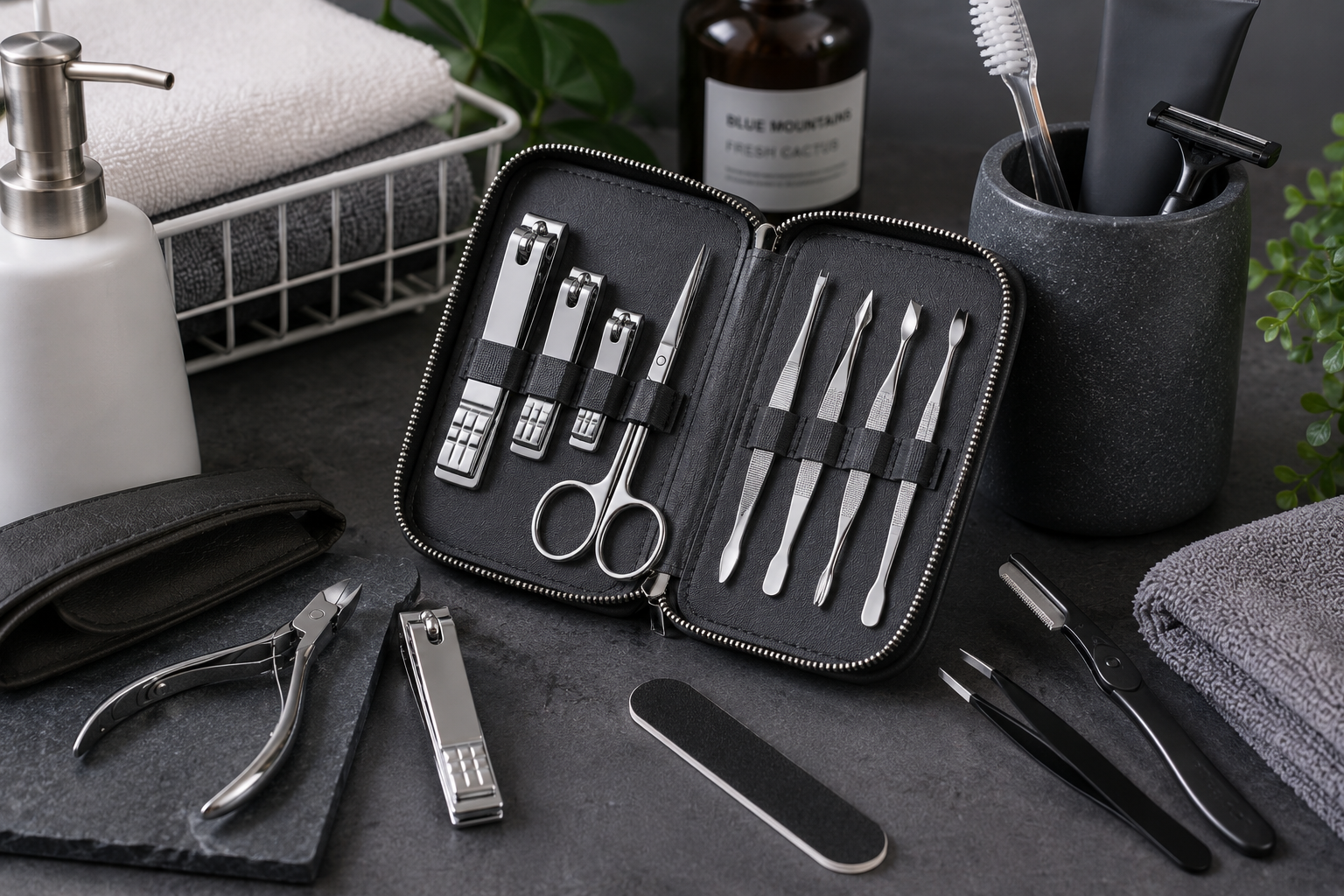
OLIMOR can support buyers from product selection to customized packaging. The process usually begins with understanding the target market, sales channel, product quantity, and branding needs.
A practical OEM workflow may include:
- Select product categories and target users
- Confirm tool models and set combinations
- Discuss logo, finish, color, and packaging
- Review samples before bulk production
- Confirm quality details and packaging layout
- Arrange production, inspection, and shipment
You can learn more about OLIMOR’s company background here: https://www.olimor.com/about-us
For product selection, visit: https://www.olimor.com/products
For project discussion or quotation, contact OLIMOR here: https://www.olimor.com/contact-us
FAQ
What products can be customized through OEM?
Common OEM products include nail clippers, manicure sets, cuticle nippers, tweezers, eyebrow razors, eyelash curlers, foot files, facial tools, and tongue scrapers.
Can I add my brand logo to personal care tools?
Yes. Depending on the product and material, logo options may include laser engraving, printing, or customized packaging branding.
Is OEM suitable for small beauty brands?
Yes. Many brands start with a focused product line, such as a manicure kit, brow care kit, or travel grooming set, before expanding into more categories.
What should I check before confirming samples?
Check product function, surface finish, logo position, packaging structure, tool arrangement, and whether the sample matches your sales channel.
Can OLIMOR help with packaging ideas?
Yes. Packaging can be planned for retail shelves, e-commerce shipping, salon use, travel kits, or gift sets.
How do I request a quotation?
Send your product category, target market, order quantity, logo needs, packaging requirements, and preferred product style through the OLIMOR contact page.
Build Your OEM Grooming Product Line with OLIMOR
Choosing the right OEM personal care tools supplier can help your brand reduce sourcing risk, improve product consistency, and build a more professional grooming product line. Whether you need manicure tools, brow tools, foot care tools, facial tools, or customized grooming kits, OLIMOR can help you develop practical products for retail, salon, e-commerce, and distribution markets.
Visit https://www.olimor.com/ to explore more personal care tool solutions.