











Analyzing the Stress Points: Where Most Eyelash Curlers Fail
Eyelash curlers are a staple in many makeup routines, promising lifted, voluminous lashes that open up the eyes. Yet, despite their simple design, most eyelash curlers fail prematurely or cause lash damage. This blog post dives deep into the mechanical and practical stress points where eyelash curlers commonly break down, helping you choose better and use them smarter.
Why Eyelash Curlers Fail: The Hidden Stress Points
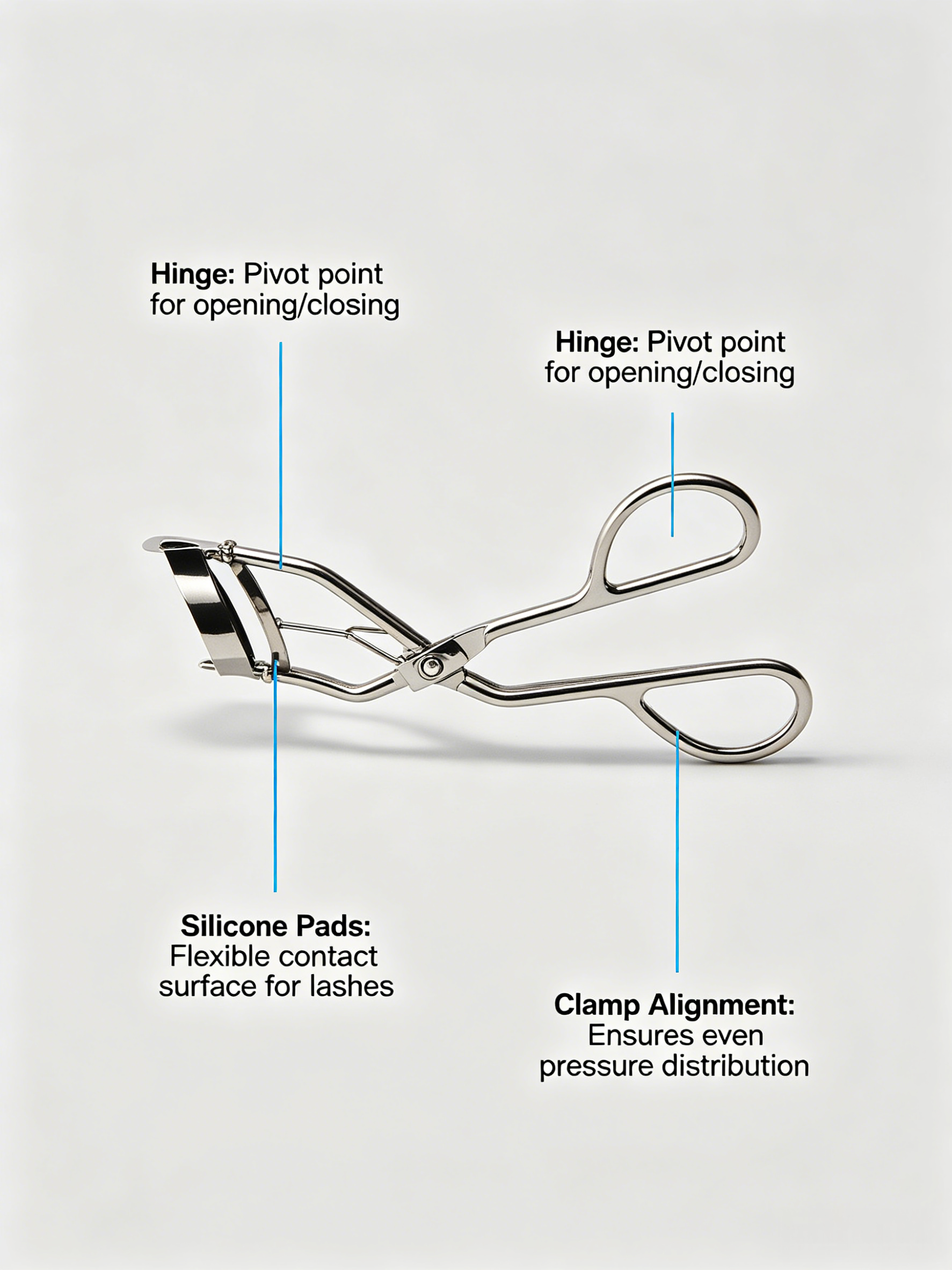
The typical eyelash curler consists of a metal frame, a hinge mechanism, silicone or rubber pads, and handles. Each component faces unique stresses during repeated use.
1. The Hinge and Pivot Point This is one of the primary failure zones. Daily opening and closing, plus uneven pressure from users with different grip strengths, cause metal fatigue. Cheap curlers often have loose or squeaky hinges within months, leading to misalignment that pinches skin or unevenly curls lashes.
2. Silicone/Rubber Pads Pads compress and flatten over time, losing their cushioning effect. Worn pads transfer too much direct pressure to lashes, increasing breakage risk. Many users never replace pads, accelerating damage to both the tool and natural lashes.
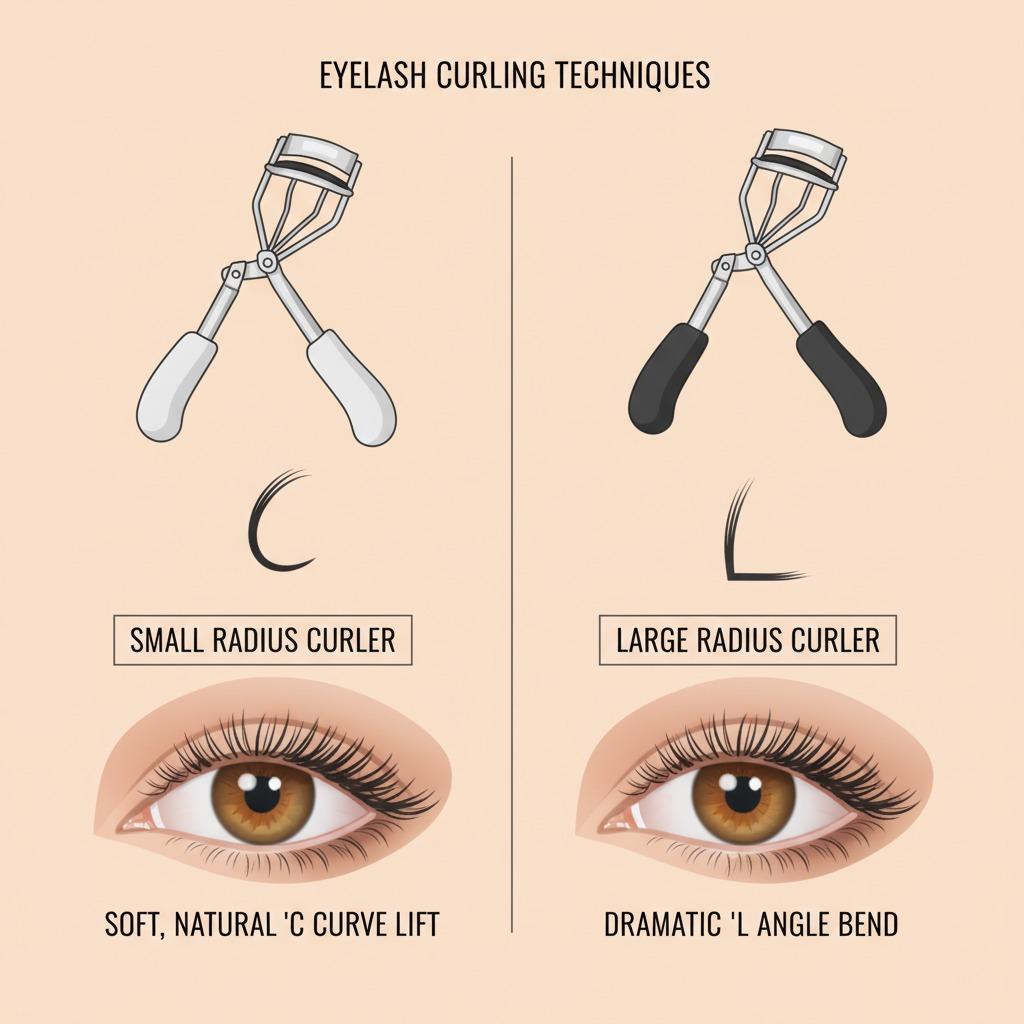
3. Clamp Alignment and Curvature If the upper and lower bars don't align perfectly, lashes get crimped or pulled. Eye shape mismatch (e.g., using a wide curler on small or hooded eyes) creates side-pinching stress.
4. Handle and Grip Design Slippery or poorly ergonomic handles force users to apply excessive force, stressing the entire mechanism and lashes. This often leads to sudden slips that yank out lashes.
5. Material Quality and Build Low-grade metals bend or corrode; thin frames warp under pressure. Premium options like those with wider, shallower curves distribute force more evenly.
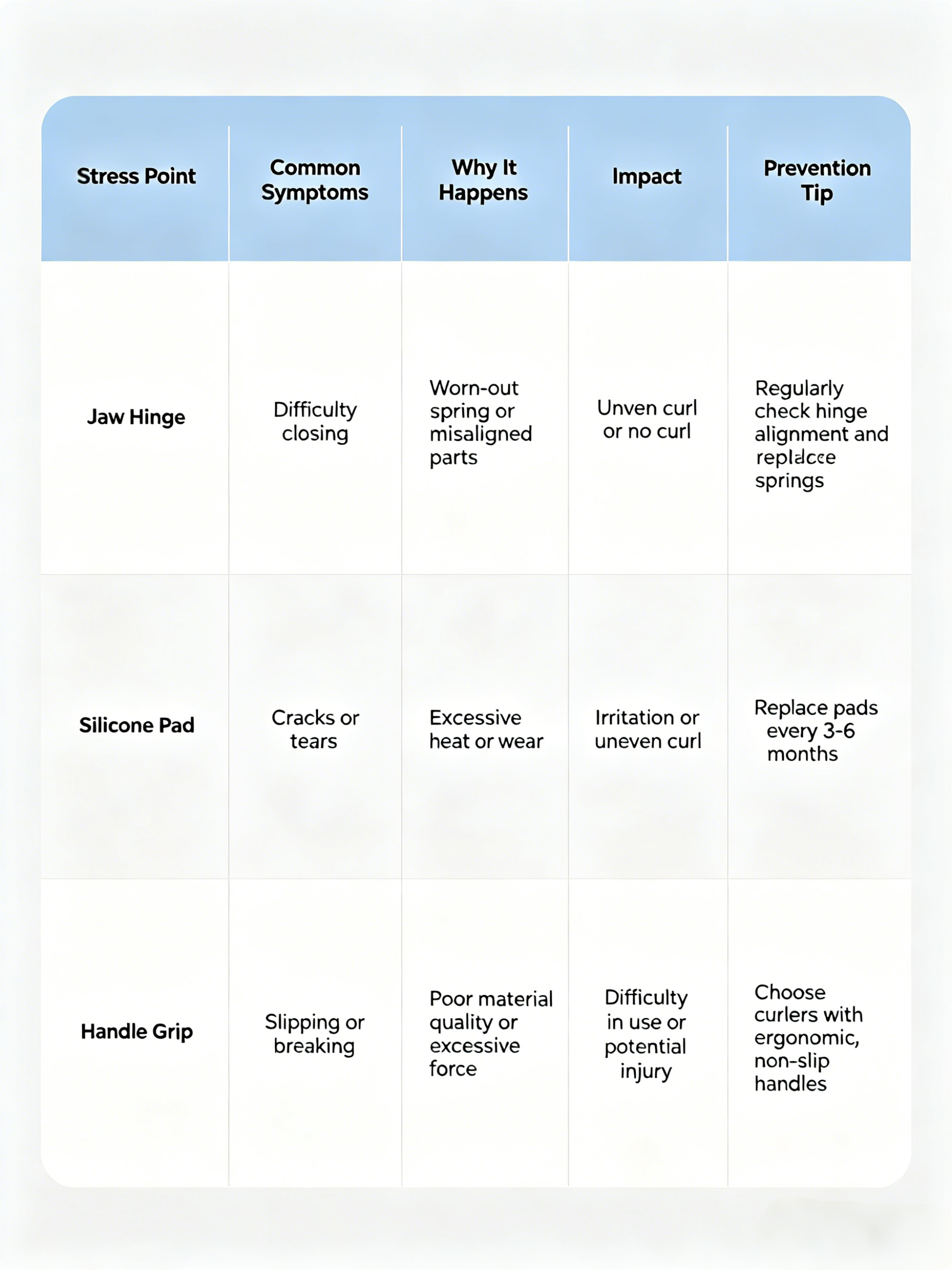
Common Failure Modes: A Quick Comparison Table
| Stress Point | Common Symptoms | Why It Happens | Impact on Lashes / User Experience | Prevention Tip |
|---|---|---|---|---|
| Hinge/Pivot | Squeaking, looseness, misalignment | Metal fatigue from repeated use | Uneven curl, pinching, premature tool failure | Choose durable metal; oil hinge occasionally |
| Worn Pads | Flat curl, lash breakage | Compression & dirt buildup | Brittle lashes, pulling out hairs | Replace pads every 3-6 months |
| Poor Clamp Alignment | Crimped "angle" look, skin pinch | Manufacturing defects or wear | Damaged lash line, pain | Test fit before buying; match eye shape |
| Excessive Force Needed | User fatigue, sudden slips | Bad ergonomics or stiff mechanism | Lash breakage, frustration | Opt for smooth, lightweight designs |
| Wrong Curvature/Fit | No lift or side pinching | One-size-fits-all assumption | Ineffective curl, eyelid damage | Try before purchase or select adjustable/heated models |
Real-World Consequences and User Mistakes
Beyond mechanical failure, user errors amplify problems:
- Curling after mascara: Lashes stick and snap.
- Applying too much pressure or pumping aggressively.
- Using on dirty or brittle lashes.
- Ignoring eye shape compatibility.
These issues turn a helpful eyelash curler into a lash-damaging tool. Heated eyelash curlers are gaining popularity as gentler alternatives since they require less mechanical force.
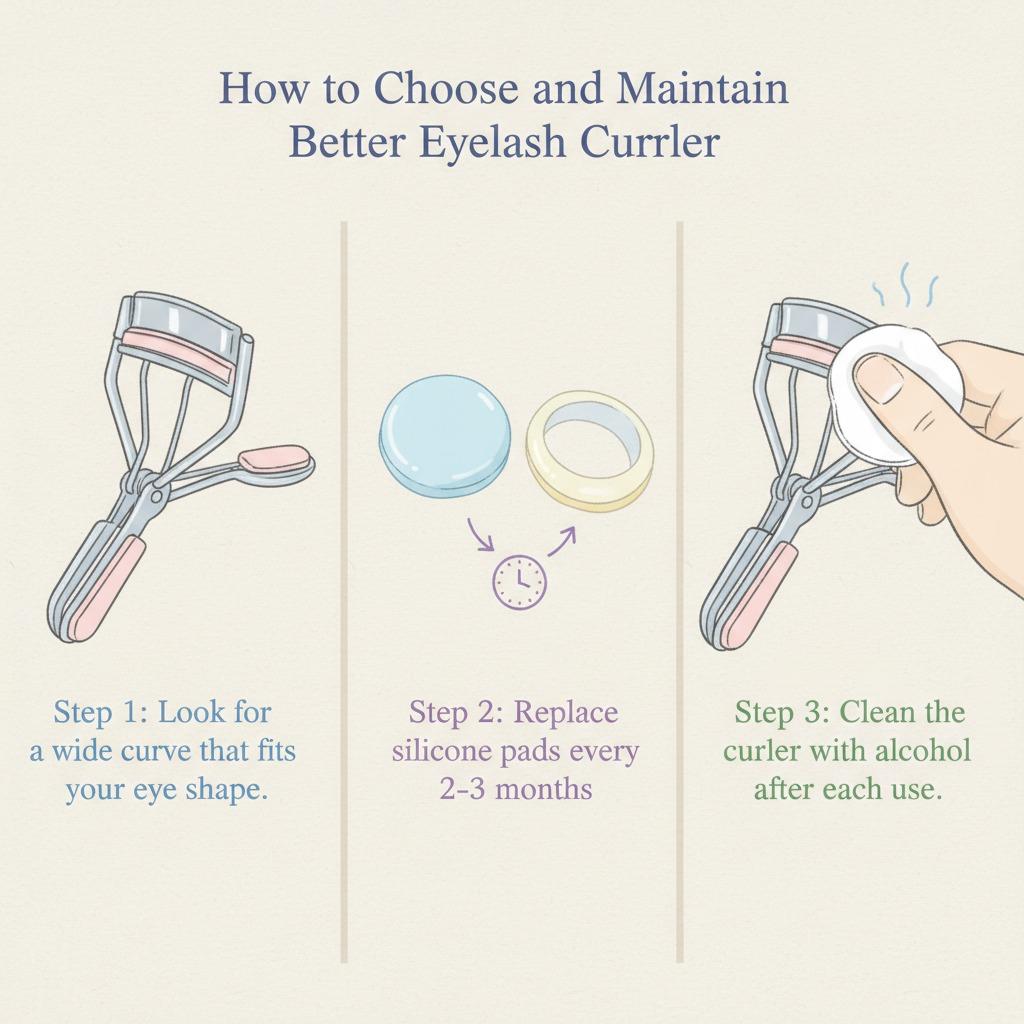
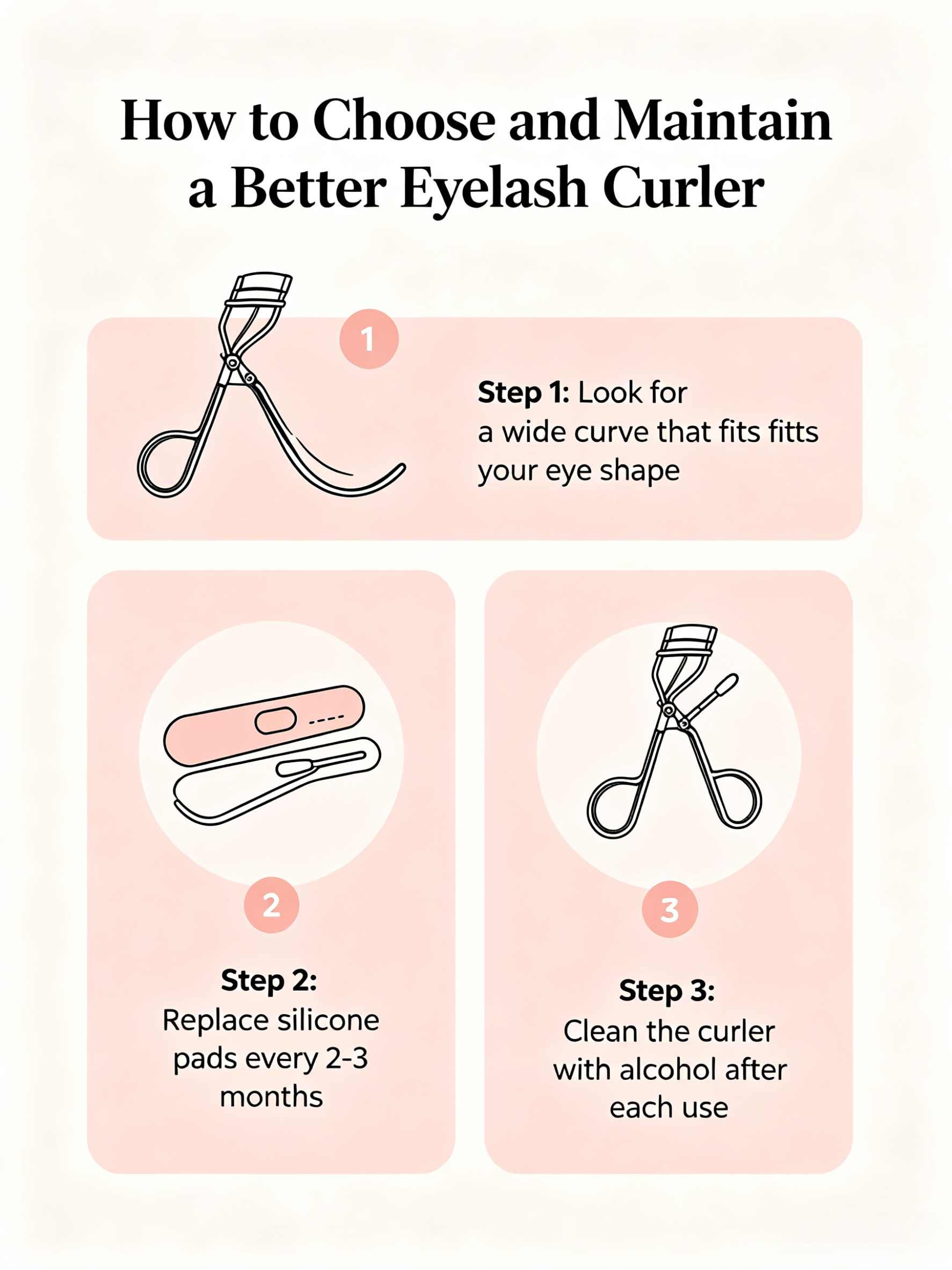
How to Choose and Maintain a Better Eyelash Curler
- Look for wide, shallow curves (e.g., designs that fit various eye shapes without pinching).
- Prioritize replaceable pads and solid construction.
- Clean regularly with alcohol wipes.
- Store carefully to avoid bending the frame.
- Test on the back of your hand first.
Investing in a quality eyelash curler saves money and protects your lashes long-term.
Final Takeaway: Most eyelash curlers fail at predictable stress points due to design compromises and lack of maintenance. By understanding these vulnerabilities, you can select tools that deliver consistent, damage-free results.
What’s your biggest eyelash curler struggle? Share in the comments!