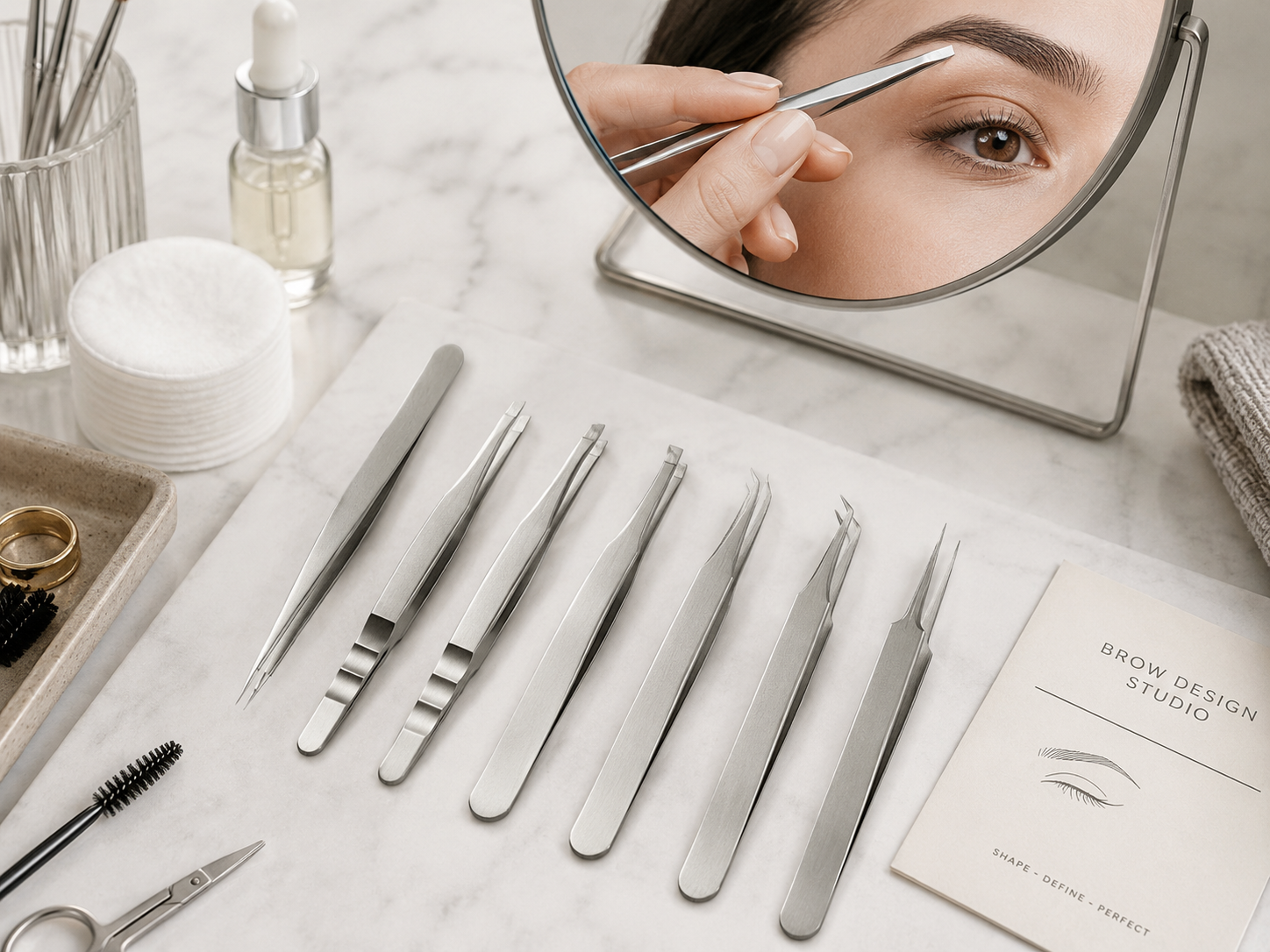












Why the right tweezer supplier matters more than it looks
If you are sourcing a tweezer supplier for beauty kits, salon retail, or precision hand tools, the real decision is not simply about price per unit. It is about whether the tool closes cleanly, holds its grip, feels balanced in the hand, and arrives in a finish that matches the rest of the set. That sounds basic, but anyone who has handled a batch of inconsistent tweezers knows how fast a small defect becomes a customer complaint.
For eyebrow grooming, eyelash work, splinter removal, or other fine-detail tasks, a tweezer is judged in seconds. The tip alignment, the edge finish, and even the texture on the handle affect how usable it feels. In retail beauty packaging, presentation matters too. A matte blush-pink box and a matching zip case can lift the product from a simple hand tool to a giftable set, which changes how buyers position it and where it is sold.
This is why sourcing from a tweezers manufacturer is not just a procurement exercise. It is a product decision. The right partner helps you choose tip styles, finishes, and packaging that fit the intended use, while avoiding the kind of shortcuts that create returns later.
What is visible in the product style here
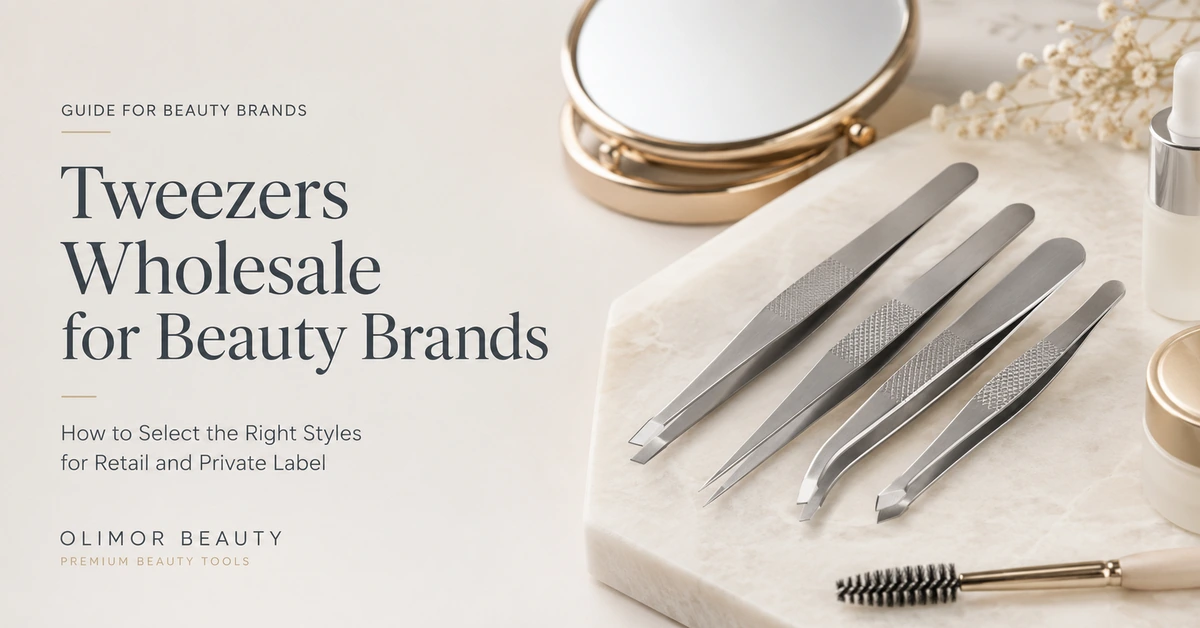
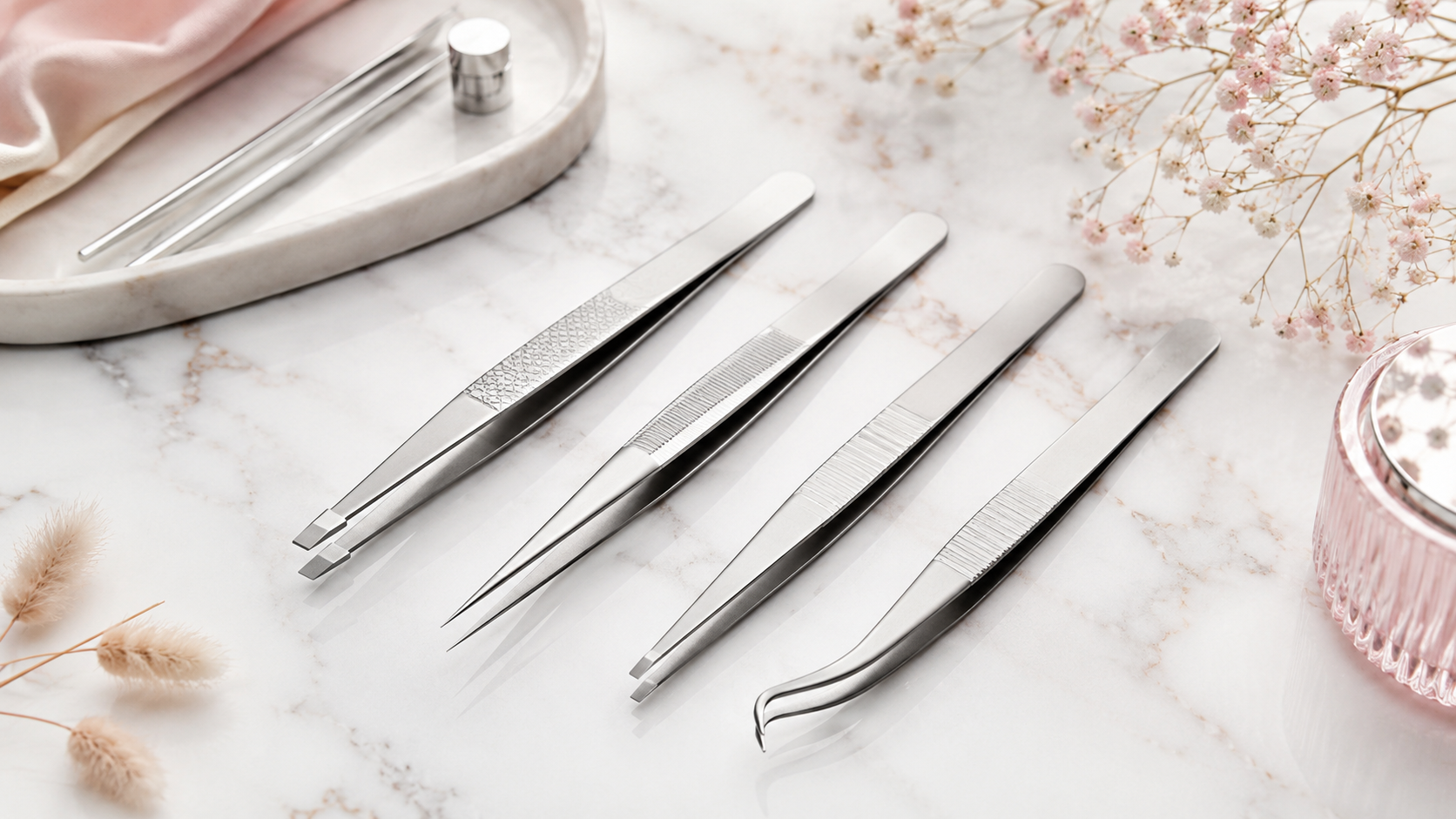
The product data points to a multi-piece set of precision stainless steel tweezers laid out as a compact kit. Several units are shown side by side, with different tip geometries: at least one angled or slanted tip, one fine pointed tip, and one flatter or straighter style. Some handles have textured grip zones, including ribbed or etched sections that likely help prevent slipping during detailed work.
The brushed silver finish suggests stainless steel or a similar corrosion-resistant metal. That matters because tweezers live in pockets, cosmetic bags, salon trays, and tool kits where moisture, oils, and repeated handling are normal. A plain-looking finish is often a good sign in this category; it usually means the maker has focused on function rather than decorative plating that can wear unevenly.
The blush-pink rigid box and zippered case add another layer. The case appears leather-like or PU leather-like, though that cannot be confirmed from the image alone. Still, from a buying perspective, that packaging tells you the set is being presented for beauty grooming or retail gifting rather than purely industrial bench use.
Common tweezer types and where each one fits
Not every buyer needs the same jaw geometry. A good lash tweezer supplier should be able to offer several working tips in one family, because each shape solves a different task.
Angled or slanted tips
These are the workhorses for eyebrow shaping and general grooming. The angled edge gives the user a clear line of sight and lets the tip reach hairs at a shallow angle. In salon settings, that small ergonomic advantage saves time and reduces awkward wrist movement.
Fine pointed tips
Pointed tweezers are more specialized. They help with isolating tiny hairs, removing splinters, or picking up very small components in craft or assembly work. They are useful, but they also punish poor tip grinding. If the points are uneven, they feel cheap immediately.
Flat or straight tips
Flat-ended tweezers can be handy for gripping broader surfaces or handling delicate items that should not be pierced. In a beauty set, they add flexibility. In a general-purpose kit, they broaden the use case without adding much extra bulk.
Curved tips
Curved variants are often seen in lash work and other fine-placement tasks. They can improve sightlines and allow a more natural hand position when the user is working around contours. For buyers in the lash category, this is often a key detail, not an optional one.
How these tweezers are likely made
The product description suggests a typical metalworking route: stainless steel or similar metal forming, followed by cutting or stamping, then precision grinding and polishing of the tips. The textured grip area may be created by etching, knurling, or another surface-forming method. That part is worth noting because grip texture can be done well or badly. Too aggressive, and it feels rough in the hand. Too mild, and it serves no purpose.
From a sourcing standpoint, the manufacturing method matters because it affects consistency. A tweezers manufacturer with stable tooling will keep the jaws aligned and the closure feel repeatable across a batch. A less disciplined factory might deliver a visually acceptable tool that fails in actual use. For beauty buyers, that difference shows up in application speed. For general-purpose buyers, it shows up in control.
One practical caution: do not assume that a shiny silver finish means premium quality, and do not assume a matte brushed finish means low cost. In this category, function is the test. Open-close feel, tip geometry, and edge cleanliness matter more than decorative impressions.
What sourcing teams should compare before placing an order
When comparing suppliers, look beyond the catalog photo. Photos can show the tip style and packaging, but they do not reveal whether the jaws meet evenly. They also do not tell you whether the textured grip is actually useful in wet or glove-on handling.
Here are the points that matter most in practice:
First, tip variety. If your market includes beauty salons, eyebrow bars, and retail cosmetic sets, a mixed-tip kit is often easier to sell than a single-shape item. Second, finish quality. Brushed or matte silver tends to hide handling marks better than a highly reflective polish. Third, packaging format. A rigid box and zip case improve shelf appeal and reduce tool damage during transport. Fourth, consistency across the set. Tools that are supposed to match should feel like they belong together, not like a collection of unrelated pieces.
For anyone sourcing from a lash tweezer supplier, the operational side matters too. Lash work can be unforgiving. If the angle is wrong, the applicator compensates with hand strain. If the grip is too slick, the user tires faster. A decent supplier should be able to discuss intended use instead of treating all tweezers as interchangeable.
Common mistakes buyers make with precision tweezers
The first mistake is buying on appearance alone. A neat presentation set can still have poor jaw alignment. The second is over-specifying features that the end user does not need. A pointy tweezer sounds versatile, but for some beauty applications it is less forgiving than a slanted tip. The third is ignoring the package format. If the set is intended for retail, a clean case is not a luxury; it is part of the product.
Another frequent misstep is assuming one tool can cover every use. In reality, eyebrow shaping, lash isolation, and splinter removal each reward different tip behavior. That is why a multi-piece kit can be smarter than a single “universal” tweezer. It gives the buyer a range without forcing them to commit to one compromise shape.
There is also a procurement trap on material claims. Unless the supplier has clearly provided the steel grade or verified finish details, keep your wording general in your own product literature. It is safer to say stainless steel or metal construction when that is what you can reasonably support.
How this kind of product is usually sold
In the beauty channel, precision tweezers are often sold as part of a grooming set, a lash kit, or a giftable accessory pack. In craft and light technical channels, the same physical product may be positioned as a precision gripping tool. That flexibility is useful, but only if the supplier can maintain consistent manufacturing and packaging standards across different presentations.
If you are building a private-label line, the mixed-tip kit format offers room for differentiation without changing the base tool dramatically. Packaging color, case style, and the selection of tip geometries can all shape the final market position. For retail buyers, that is often the difference between a low-ticket impulse item and a more premium shelf piece.
Buyer advice for RFQs and sample review
When you send an RFQ, ask for clear photos of the jaws closed and open, not just the full product laid flat. Request confirmation of the number of pieces in the set, the tip styles included, and the packaging contents. If the supplier is a true tweezers manufacturer, they should be comfortable discussing formation, tip finishing, and handle texture without giving vague answers.
During sample review, test the tool under realistic conditions. Use gloved hands if your users do. Check whether the grip texture actually helps. Try the tweezers on the smallest item your customers are likely to handle. A tool that feels fine on a desk may become annoying after ten minutes of actual use.
It is also worth checking how the case closes and whether the tweezers sit securely inside it. Loose storage looks minor on paper, but in retail it can create scuffed finishes and a cheap first impression.
FAQ: practical questions sourcing teams ask
Are these tweezers only for beauty use?
No. The styling points strongly toward beauty and grooming, but precision tweezers of this type are also used for splinter removal, jewelry work, electronics handling, and craft tasks.
Why include multiple tip styles in one set?
Because users rarely need the same tip for every task. A mixed set offers more flexibility and makes the product easier to position as a complete kit.
Does the grip texture matter?
Yes, especially for fine work. A textured midsection can improve control, though the texture should feel intentional rather than harsh.
Is the case material confirmed?
No. The case appears leather-like or PU leather-like, but that should be treated cautiously unless the supplier confirms it.
What a good next step looks like
If you are evaluating a tweezer supplier for beauty retail, salon distribution, or private-label kits, start with the product details that customers can feel immediately: tip shape, alignment, grip, and packaging. Those four elements carry more weight than most buyers expect. The right partner should be able to supply a multi-piece set, explain the likely manufacturing method, and adapt the presentation to your channel without overpromising on features that are not verified.
Ask for samples, compare the closure feel, and put the set in the hands of someone who will actually use it. That is still the fastest way to separate a decent catalog item from a tool that earns repeat orders.